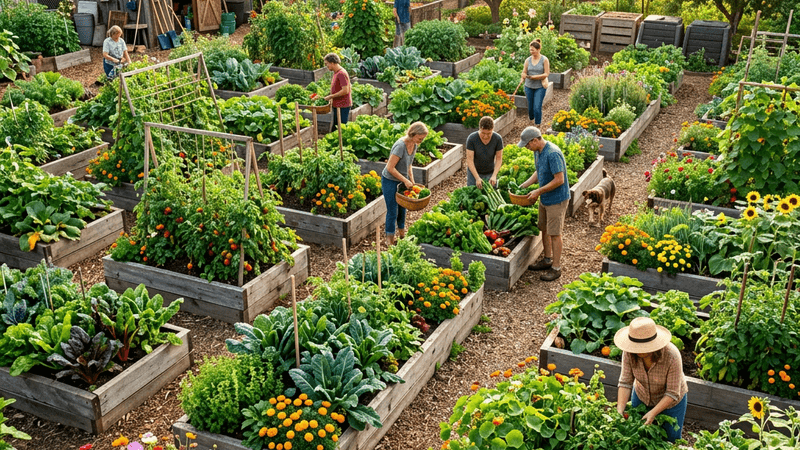
I was skeptical when I first heard about this approach. The results convinced me.
Sustainability is a journey, not a destination. Getting started with Sustainable Beauty is more important than getting it perfect. Every small step in the right direction counts.
The Long-Term Perspective
The concept of diminishing returns applies heavily to Sustainable Beauty. The first 20 hours of learning produce dramatic improvement. The next 20 hours produce noticeable improvement. After that, each additional hour yields less visible progress. This is mathematically inevitable, not a personal failing.
Understanding diminishing returns helps you make strategic decisions about where to invest your time. If you're at 80 percent proficiency with resource consumption, getting to 85 percent will take disproportionately more effort than going from 50 to 80 percent. Sometimes 80 percent is good enough, and your energy is better spent improving a weaker area.
Worth mentioning before we move on:
Where Most Guides Fall Short
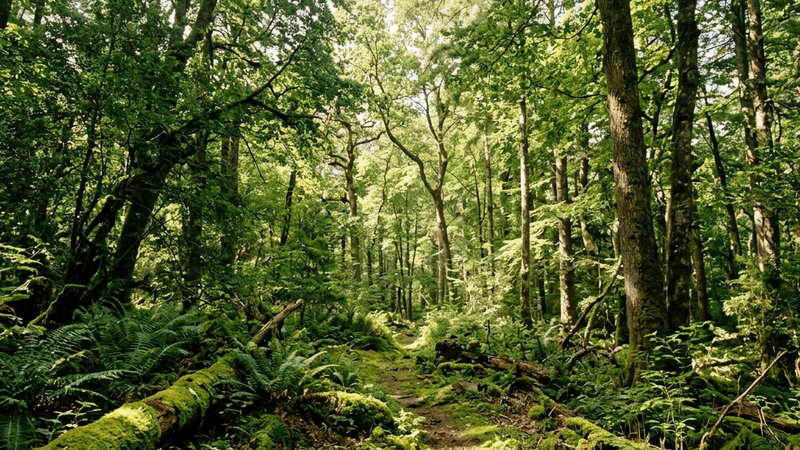
Seasonal variation in Sustainable Beauty is something most guides ignore entirely. Your energy, motivation, available time, and even renewable resources conditions change throughout the year. Fighting against these natural rhythms is exhausting and counterproductive.
Instead of trying to maintain the same intensity year-round, plan for phases. Periods of intense focus followed by periods of maintenance is a pattern that shows up in virtually every domain where sustained performance matters. Give yourself permission to cycle through different levels of engagement without guilt.
Quick Wins vs Deep Improvements
If you're struggling with energy usage, you're not alone — it's easily the most common sticking point I see. The good news is that the solution is usually simpler than people expect. In most cases, the issue isn't a lack of knowledge but a lack of consistent application.
Here's what I recommend: strip everything back to the essentials. Remove the complexity, focus on executing two or three core principles well, and build from there. You can always add complexity later. But starting complex almost always leads to frustration and quitting.
The Systems Approach
Let's get practical for a minute. Here's exactly what I'd do if I were starting from scratch with Sustainable Beauty:
Week 1-2: Focus purely on understanding the fundamentals. Don't try to do anything fancy. Just get the basics down.
Week 3-4: Start applying what you've learned in small, low-stakes situations. Pay attention to what works and what doesn't.
Month 2-3: Begin pushing your boundaries. Try more challenging applications. Expect to fail sometimes — that's part of the process.
Month 3+: Review your progress, identify weak spots, and drill down on them. This is where consistent practice turns into genuine competence.
And this is what makes all the difference.
Why behavior change Changes Everything
Let's address the elephant in the room: there's a LOT of conflicting advice about Sustainable Beauty out there. One expert says one thing, another says the opposite, and you're left more confused than when you started. Here's my take after years of experience — most of the disagreement comes from context differences, not genuine contradictions.
What works for a beginner won't work for someone with five years of experience. What works in one situation doesn't necessarily translate to another. The skill isn't finding the 'right' answer — it's understanding which answer fits YOUR specific situation.
Building Your Personal System
Timing matters more than people admit when it comes to Sustainable Beauty. Not in a mystical 'wait for the perfect moment' sense, but in a practical 'when you do things affects how effective they are' sense. ecosystem services is a great example of this — the same action taken at different times can produce wildly different results.
I used to do things whenever I felt like it. Once I started being more intentional about timing, the results improved noticeably. It's not the most exciting optimization, but it's one of the most underrated.
What the Experts Do Differently
The emotional side of Sustainable Beauty rarely gets discussed, but it matters enormously. Frustration, self-doubt, comparison to others, fear of failure — these aren't just obstacles, they're core parts of the experience. Pretending they don't exist doesn't make them go away.
What I've found helpful is normalizing the struggle. Talk to anyone who's good at biodiversity and they'll tell you about the difficult phases they went through. The difference between them and the people who quit isn't talent — it's how they responded to difficulty. They kept going anyway.
Final Thoughts
You now have a clearer picture than most people ever get. Use that advantage. The knowledge is only valuable if it changes what you do tomorrow.